The idea of the “gaycation” began to take shape after Stonewall in 1969, when queer life became more visible, more political, and more connected. Alongside that cultural shift was something quieter but just as important: a growing search for places where queer people could exist with less friction, even if only for a weekend or a season.
Travel became part escape, part shared understanding of where safety and freedom might be found.
From Protest to Poolside.
In the 1970s and 80s, that search started to map itself onto specific places. Not always officially recognized as queer destinations, but known within communities through experience and word of mouth.
San Francisco emerged as a major hub of queer life and culture. Fire Island became a seasonal ritual for New Yorkers looking for openness and community just beyond the city. Provincetown grew into a summer return point where queer art, nightlife, and daily life blended into something collective and visible. Elsewhere, cities like Berlin offered anonymity and experimentation, while Mykonos became synonymous with release, music, and sun-drenched freedom.
Before Algorithms, There Was Word of Mouth.
What connected these places wasn’t branding or tourism strategy. It was trust. People heard about them from people who had been. A bar, a beach, a house, a week where you didn’t have to think twice about how you moved through the world.
Before algorithms and “LGBTQ+ friendly” filters, queer travel existed through recommendation and memory. It was shared rather than searched, passed along as practical information about where it felt possible to relax, to connect, to exist without constant translation.
From House Parties to Hotel Takeovers.
Over time, what began as necessity shifted into culture. Pool parties became rituals. Pride weekends became global travel moments. Entire cities began to align themselves with queer calendars, and the gaycation evolved from something quietly sought after into something openly celebrated.
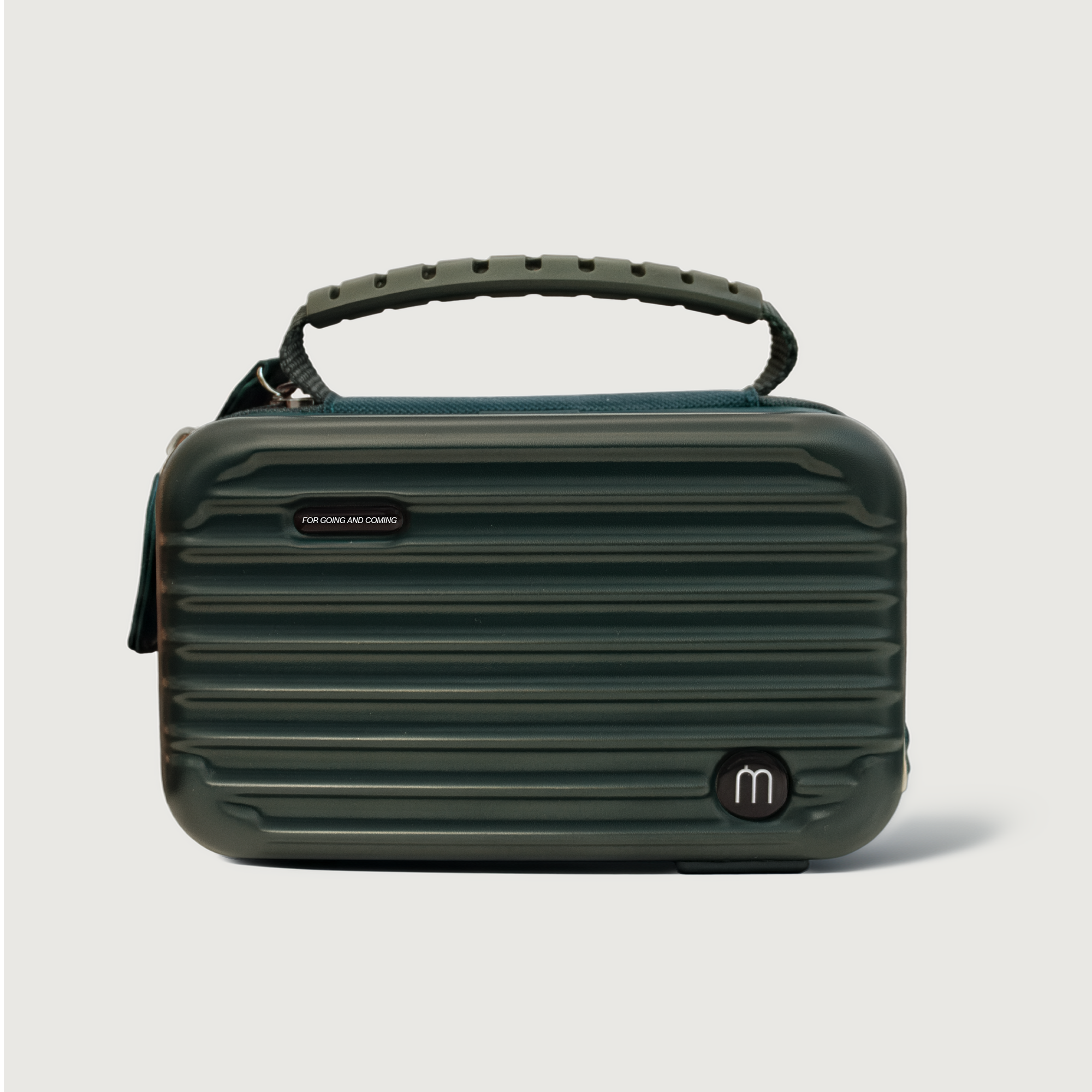
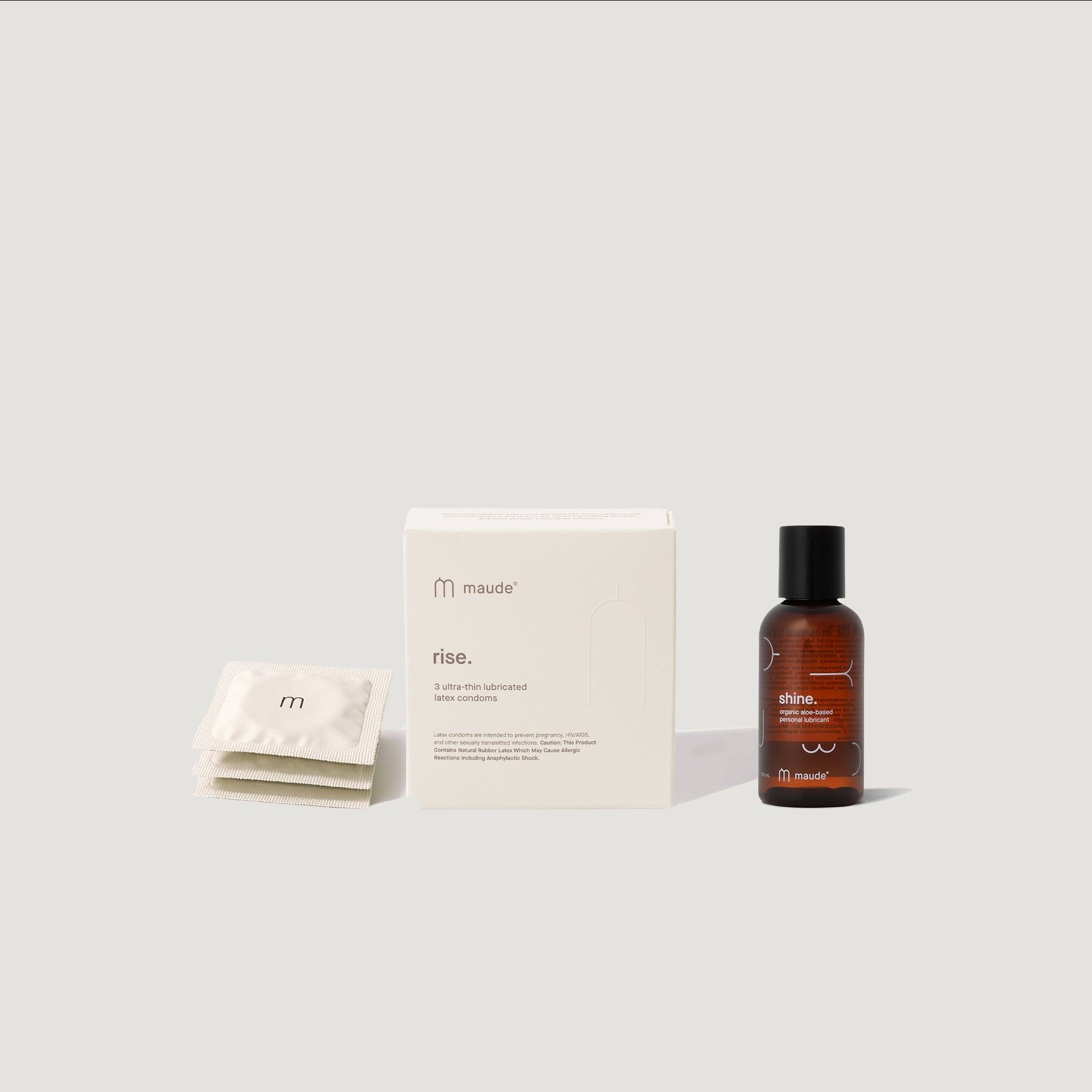
Travel became less about leaving and more about curating how you arrive. What you bring matters just as much as where you’re going — a shift from survival packing to ritual packing, where even the smallest details of getting ready for departure feel intentional.
It’s part of why travel has its own language now: streamlined essentials, shared routines, objects designed to move with you. Even the way people pack has become part of the culture of movement itself.