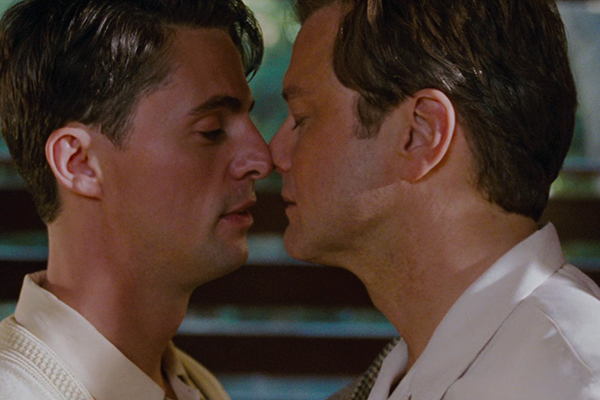
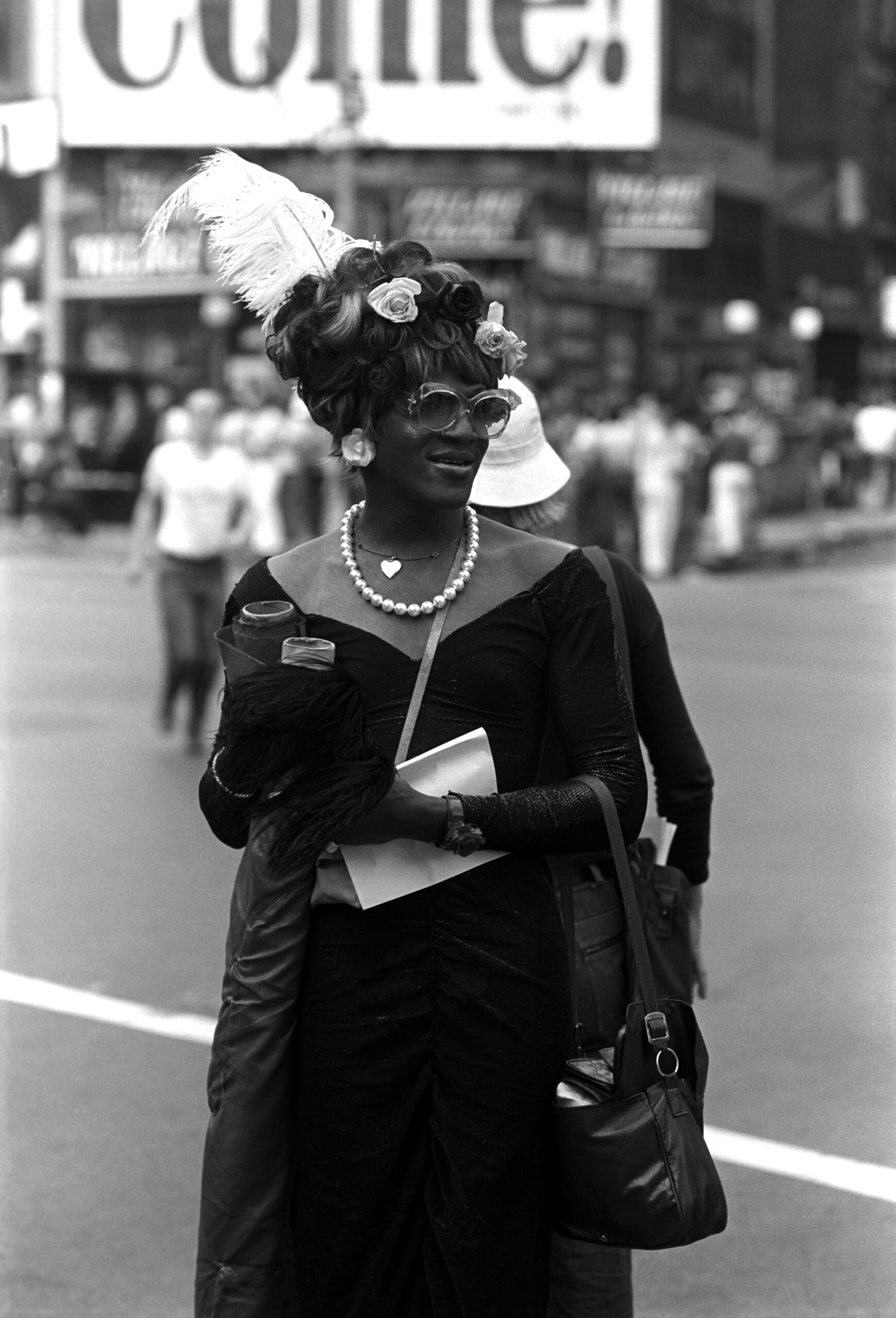
the hidden language of queer cinema.



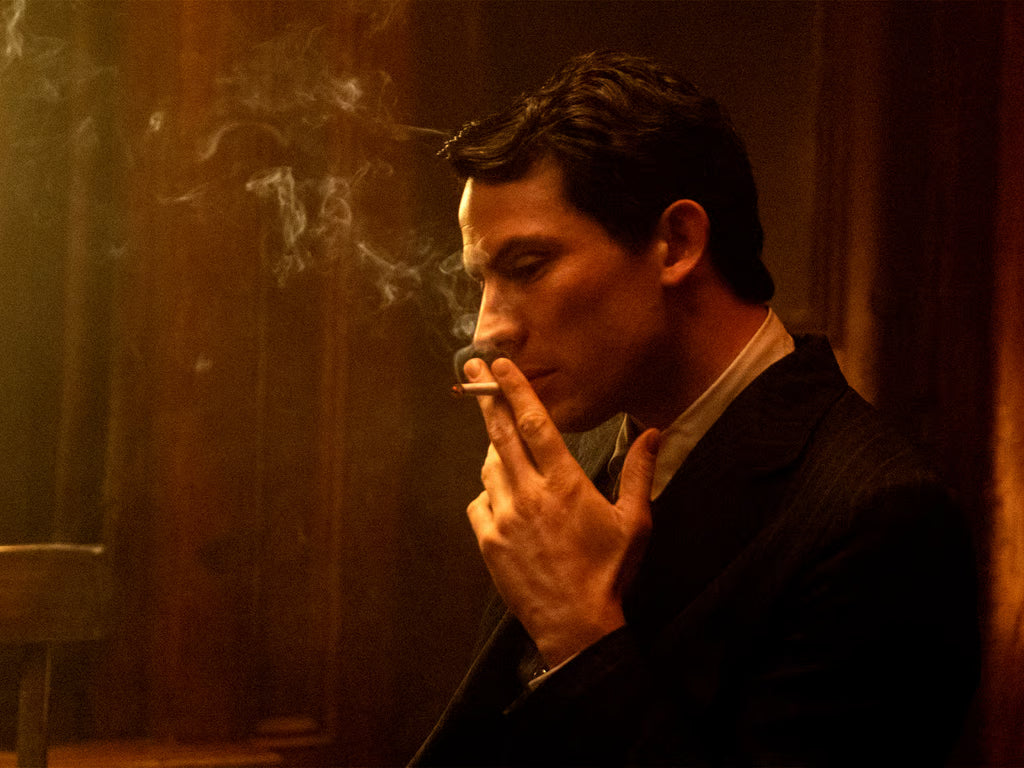
Queer cinema has always had a second script.
Not the one spoken out loud, but the one hiding in the frame. A look that lingers too long. A pause that feels like meaning. A relationship that is “just friends” in dialogue but something entirely different in every shot.
For most of film history, LGBTQ+ stories didn’t disappear. They went undercover.
When Films Couldn’t Say It Directly.
From the 1930s to the late 1960s, Hollywood censorship rules made openly queer characters almost impossible in mainstream films. So filmmakers adapted.
Instead of naming desire, they suggested it. Instead of confirming identity, they hinted at it. Instead of telling queer stories directly, they built versions that could survive the rules. Queer cinema became coded and audiences learned how to read it.
Think of Rebecca (1940), where obsession and intimacy between women sits just beneath the surface of every interaction, never named but impossible to ignore. Or Ben-Hur (1959), where the emotional intensity between the male leads carries a charge that far exceeds friendship as it’s traditionally defined on screen.
Even villains became a kind of language. In The Maltese Falcon (1941), Joel Cairo’s mannerisms and styling were read by many viewers as coded queerness, not stated, but distinctly constructed through performance and detail.
Nothing is confirmed. Everything is communicated. Different viewers saw different films.
 Peter Lorre as Joel Cario in The Maltese Falcon (1941)
Coding Isn’t Subtle. It’s Strategic.
Queer coding is what happens when something must exist without being allowed to be explained.
A character who feels “different” but never why. A friendship that carries romantic tension the film refuses to acknowledge. A villain whose difference is framed as aesthetic, tone, or gesture.
In All About Eve (1950), the intimacy between Eve and Margo is often read as emotionally charged in a way that exceeds rivalry, built through closeness, admiration, and possession that never settles into anything officially defined.

Anne Baxter and Bette Davis in All ABout Eve (1950)
The Audience Did the Rest
Queer viewers became experts in attention.
A glance across a room wasn’t background detail. It was information. A shared silence wasn’t empty. It was loaded. A scene that seemed incidental to some audiences became the emotional center for others.
Meaning wasn’t delivered. It was built in real time, by people who had learned to recognize themselves in fragments.
And while queer cinema no longer needs to rely on that level of concealment, the reading habits it created haven’t disappeared. Audiences still notice what lingers. Still feel what isn’t fully said. Still understand the emotional subtext running underneath the surface of a scene.
The language has changed, but the sensitivity remains. Because the hidden language of queer cinema was never just about what couldn’t be shown. It became a way of seeing.