the strange history of erotic objects.
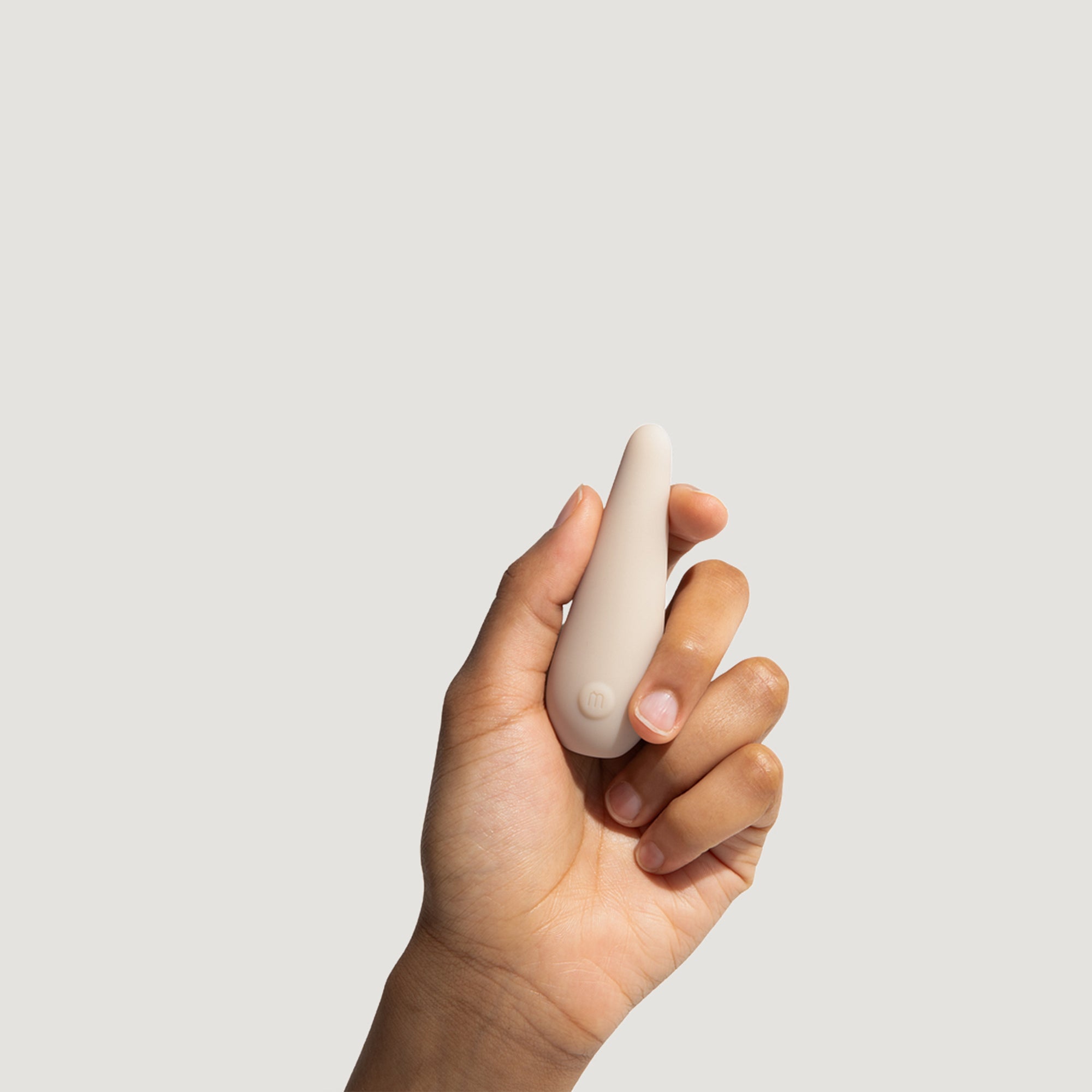
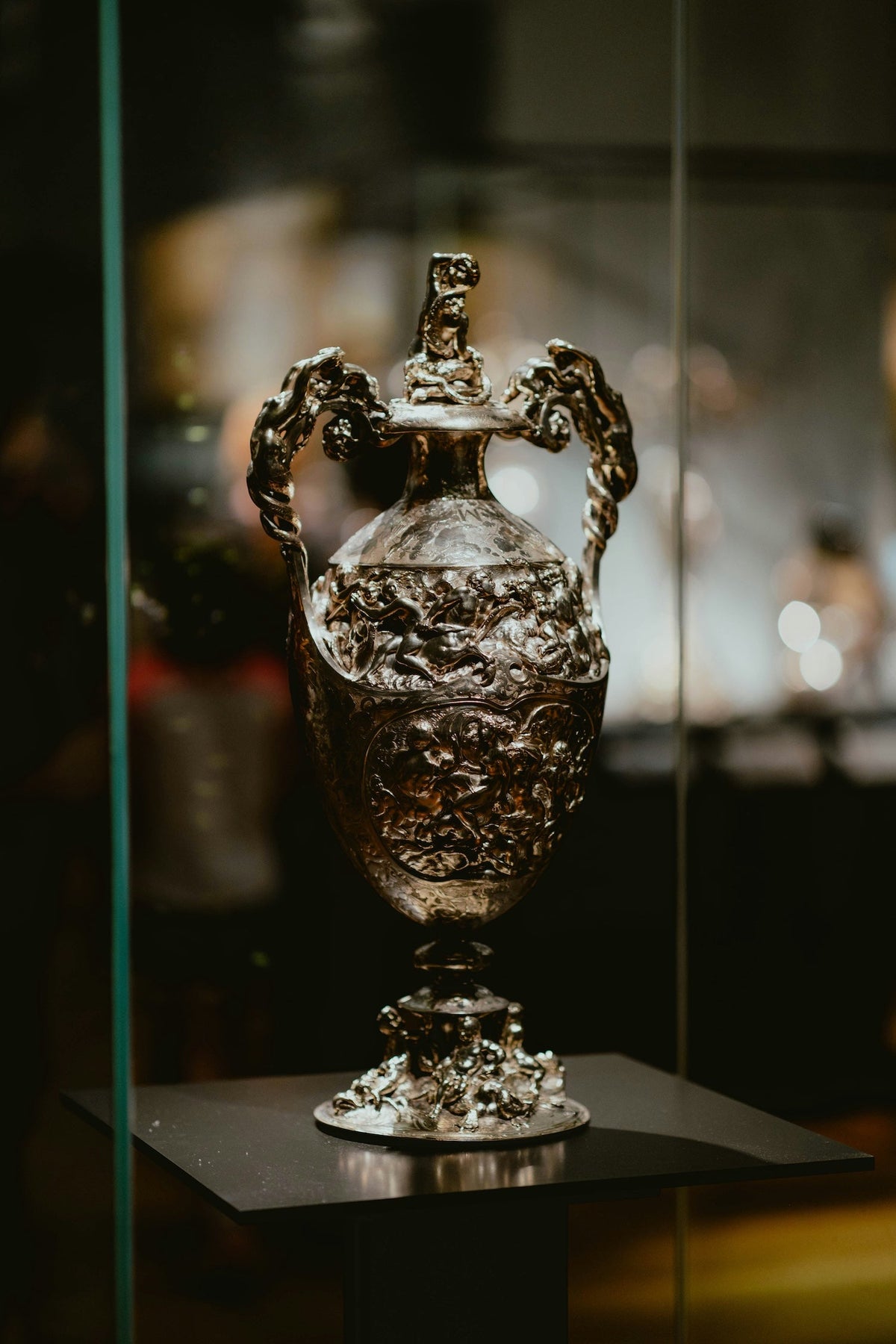
Desire has always come with accessories.
People have been making things to do with sex for a very long time. Some were intended to improve fertility, some to ward off evil, and some were simply a way of keeping a lover close. Working out which was which is not always straightforward. Archaeologists have a habit of giving objects sensible names, and the past has a habit of being considerably less sensible than that.
Here are a few highlights from the history of things that have made desire tangible.
30,000 BCE: A figure of some importance.
The Venus of Willendorf is a four-inch figurine, discovered in Austria in 1908, with exaggerated breasts, hips, and abdomen. It's roughly 30,000 years old and is routinely described as a fertility figure.
This is plausible, but nobody actually knows what it was for. It might have had a ritual purpose, represented an idealized body, or served some function that would never occur to us. Calling it a fertility figure makes for a tidy museum label, which is not quite the same thing as knowing.
The urge to make representations of the body is clearly ancient. What those representations meant to the people making them is another matter entirely.
1st century CE: Rome's lucky charms.
The Romans wore small phallic pendants as protection against the evil eye. These charms, known as fascina, could feature wings, bells, and other symbols thought to bring good fortune. They were worn by adults and children alike.
This wasn't necessarily erotic. The penis was understood as a source of power, and an image of one could supposedly keep misfortune at bay. A penis necklace today might be a conversation starter. In ancient Rome, it was closer to a security system.
It does raise an interesting question about how objects change meaning. The Romans weren't embarrassed by these charms; they were worried about what might happen without them.
Late 18th century: Keeping an eye on someone.
Before couples exchanged passwords and location pins, they had lover's-eye miniatures.
These tiny paintings depicted a person's eye, usually set into a ring, pendant, or brooch. The fashion became popular in late eighteenth-century Britain, reportedly after the future King George IV sent a miniature of his eye to Maria Fitzherbert, the woman he wished to marry.
The appeal was discretion. A full portrait might reveal the identity of a lover, but a single eye could pass unnoticed by everyone except the person who knew whose it was. Some were even concealed behind little lids.
It's an unusually intimate idea: carrying a small piece of someone's face around with you, without anyone else necessarily knowing who you're looking at.
18th–19th centuries: Getting ready for something.
Perfume bottles, mirrors, and boudoir objects weren't necessarily erotic, but they had a part to play in the rituals of attraction.
A scent bottle might be an elaborate piece of craftsmanship, while the perfume inside could linger long after its wearer had left a room. A mirror offered one last check before going out to meet someone. These objects weren't doing the seducing themselves, exactly, but they were helping.
Perfume has a particularly useful quality in this regard: it can become associated with a person so strongly that encountering the same scent years later brings them back. It's a rather effective way of occupying someone's mind without actually being there.
1880s: An electric idea.
English physician Joseph Mortimer Granville developed an electrically powered vibrating device in the 1880s to treat pain and neurological complaints. It wasn't invented as a sex toy, despite the persistent story that vibrators were created to treat women's hysteria through orgasm. That version of events is a considerable oversimplification.
By the early twentieth century, vibrators were appearing in consumer advertisements and domestic health catalogs. A medical device had entered the home, where its possible uses were no longer entirely dictated by its inventor.
The history of erotic objects is full of these shifts. An object is invented for one reason, used for another, and eventually becomes so familiar that it's hard to imagine a time before it existed.
Which is perhaps the point. Desire changes, technology changes, and the objects we use to navigate both change with them. But the impulse to make something out of a feeling that is otherwise difficult to explain seems to be very old indeed.