the side effect of cuffing season

The winter dating trend with a springtime exit strategy.
There’s cuffing season. Then there’s "sledging," the colder and slightly more calculated cousin. The term describes getting into a relationship during the winter months with the intention of ending it once spring arrives. It’s cuffing season, essentially, with a breakup already penciled into the calendar.
Winter does seem to put people in a more relationship-minded mood. A Hinge poll of 1,000 active users found that men were 15% more likely to be looking for a relationship in winter, while women were 5% more likely to want something committed. Dating app activity has also historically climbed after Thanksgiving and into the winter months, with January emerging as a particularly busy period for dating platforms.
the cultural programming doesn’t hurt.
Every year, the same plot returns: Bridget Jones’s Diary, holiday rom-coms, airport reunions, New Year’s kisses, someone bringing a new partner home for Christmas. Winter is practically a genre of romance in its own right. Even the calendar seems to participate, moving from Thanksgiving to Christmas to New Year’s Eve and then Valentine’s Day with barely a pause in between.
There’s some actual seasonality behind the cultural cliché, too. Research published in the Journal of Marriage and Family found a December peak in first intercourse among adolescents who were already romantically involved, while other research tracking births, STI diagnoses, HIV testing, abortions and condom sales has found increases in sexual activity around Christmas. The winter romance industrial complex may have more going for it than just good lighting.
when winter starts to feel permanent.
Sledging isn’t simply about dating during the colder months. The defining part is knowing you plan to leave. There’s nothing inherently wrong with wanting a relationship that lasts three months. Short-term relationships can be fun, meaningful, uncomplicated or exactly what someone wants. The problem starts when one person thinks they’re building something while the other is treating the whole thing like a seasonal rental.
Winter is particularly good at making something temporary feel permanent. You’re spending more nights inside, seeing each other more often and building routines around the same small collection of plans. There are holiday parties, family introductions, weekend trips and Sunday mornings in bed. Suddenly, a three-month relationship has enough shared rituals to feel like a three-year one.
Then the weather changes. The texts get a little less enthusiastic. Spring plans become conspicuously solo. “I’m just figuring some things out” enters the vocabulary. The person who couldn’t imagine spending a Saturday night apart suddenly has plans every weekend in April.
Not every spring breakup is sledging, obviously. Sometimes people simply discover that the person who looked excellent under a blanket isn’t quite as compelling once there are patio reservations to make. Relationships end. That’s dating. The tell is whether someone knew from the beginning that they planned to leave.
the problem isn’t the season. It’s the assumption.
A 2018 YouGov survey found that 36% of Americans said they believed cuffing season was real, while 41% said a short-term relationship could be worthwhile. Among millennials, 52% said they believed in cuffing season and 25% said they had actually felt the urge to settle into a winter relationship.
So perhaps the problem isn’t cuffing season at all. Maybe it’s the assumption that everyone arrives with the same intentions. Want a winter fling? Say so. Looking for something serious? Also say so. Not sure what you want? That’s allowed, too.
And maybe that’s the upside of a seasonal romance: it doesn’t have to become something it was never meant to be. A relationship can be meaningful without being permanent, and an ending doesn’t necessarily make the time before it any less worthwhile. The only real requirement is that everyone involved gets to make an informed choice about what they’re getting into.
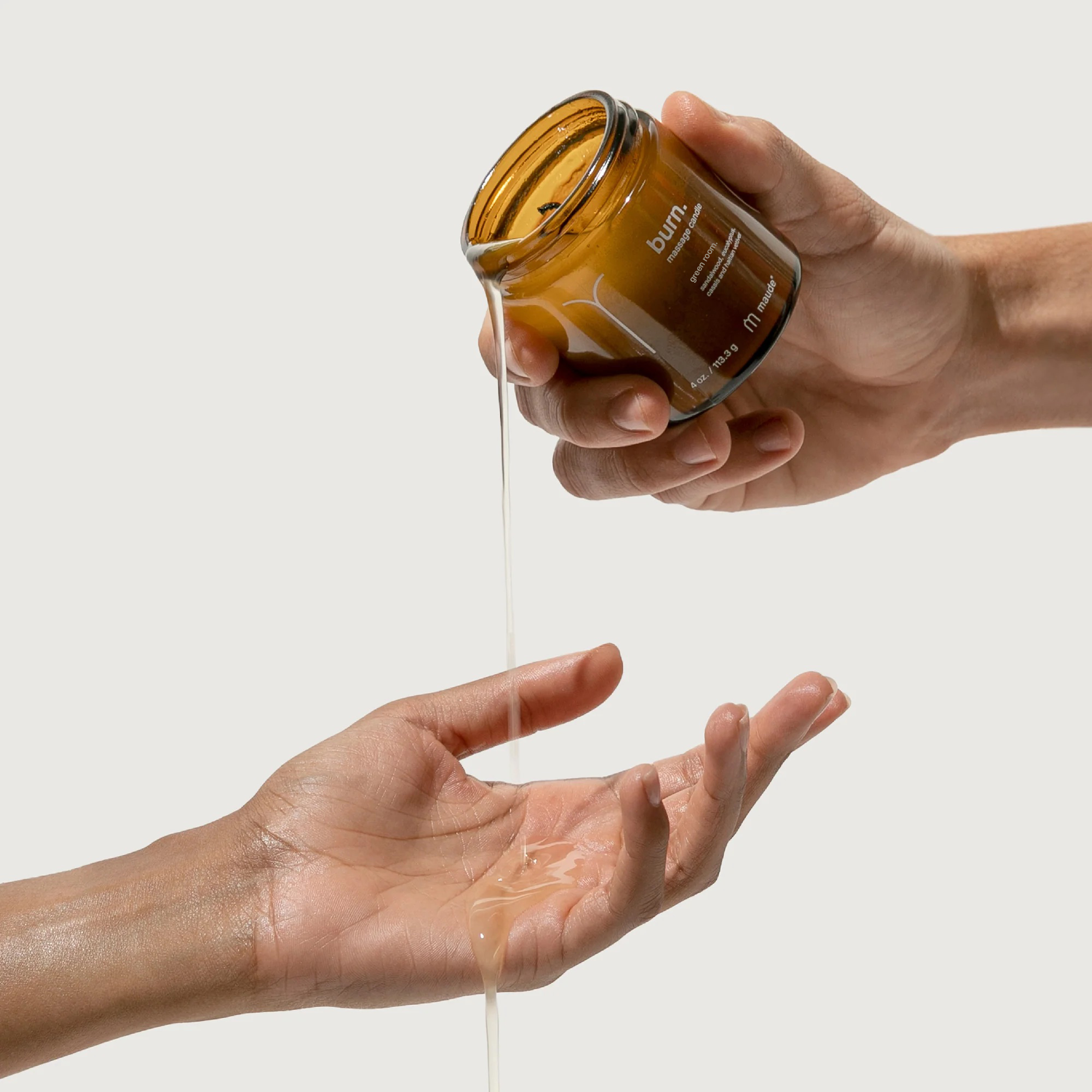
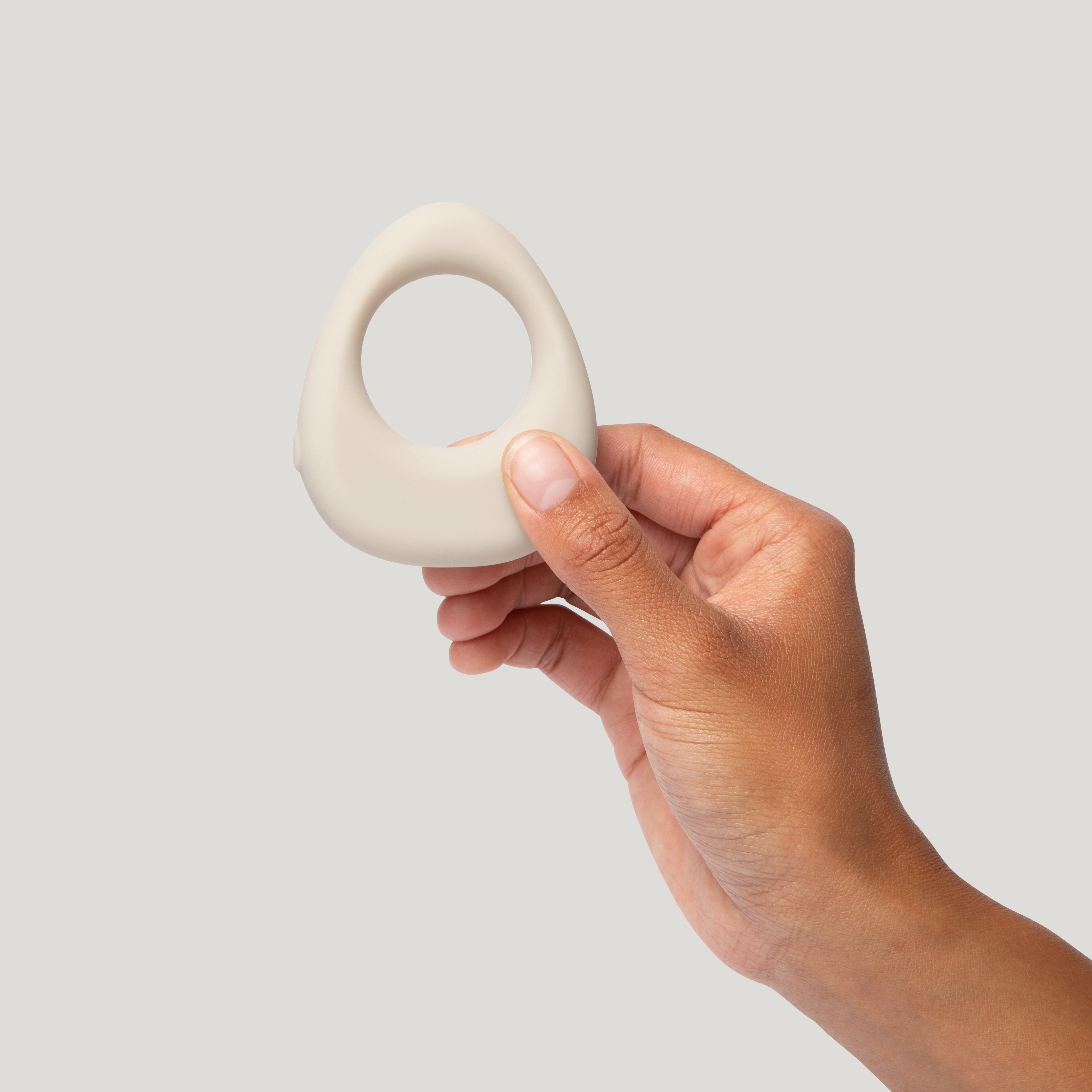
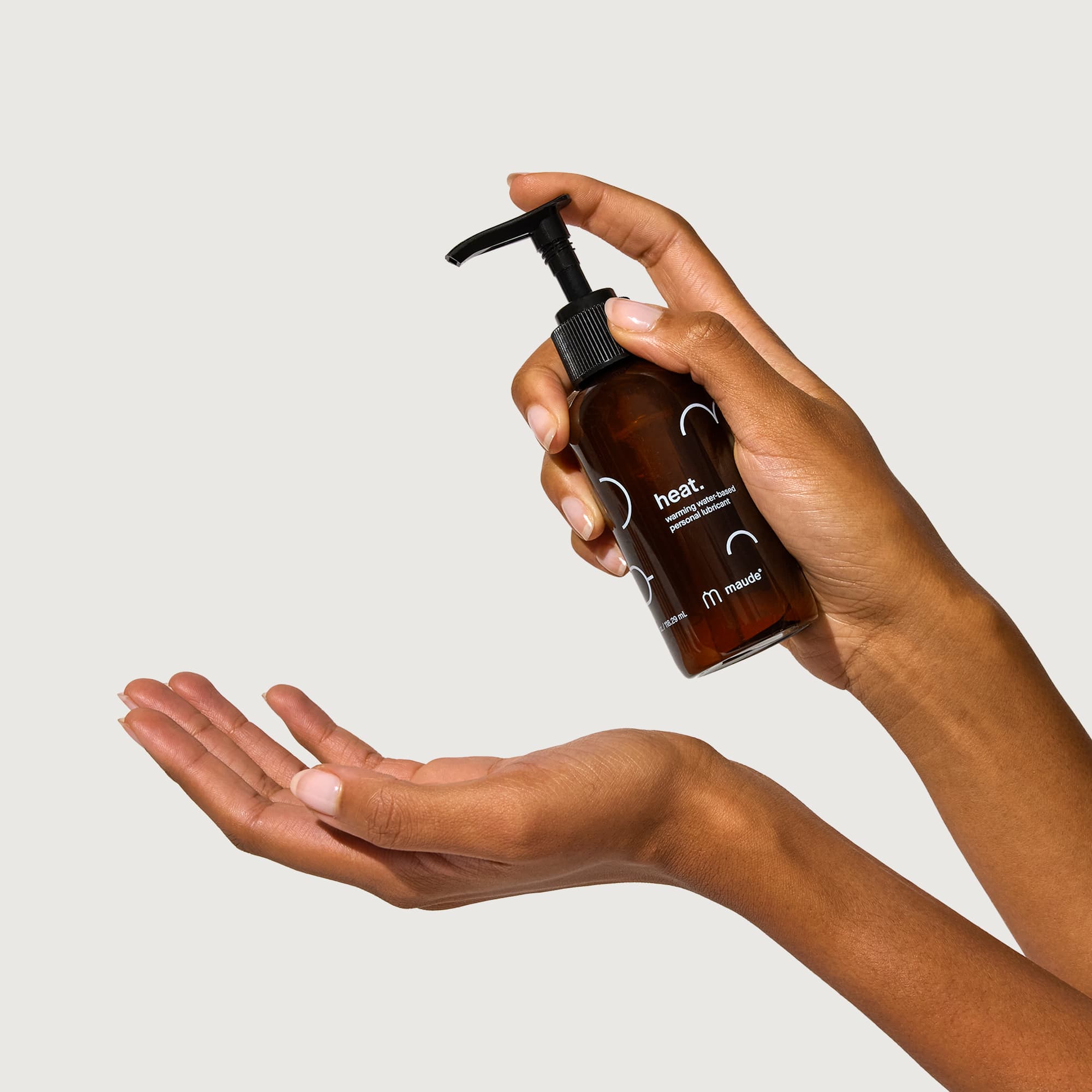
If winter has you spending more time in, there’s no shortage of ways to make the season feel a little more intentional, whether that means setting the mood, trying something new together or simply making more room for intimacy.