the original thirst traps.
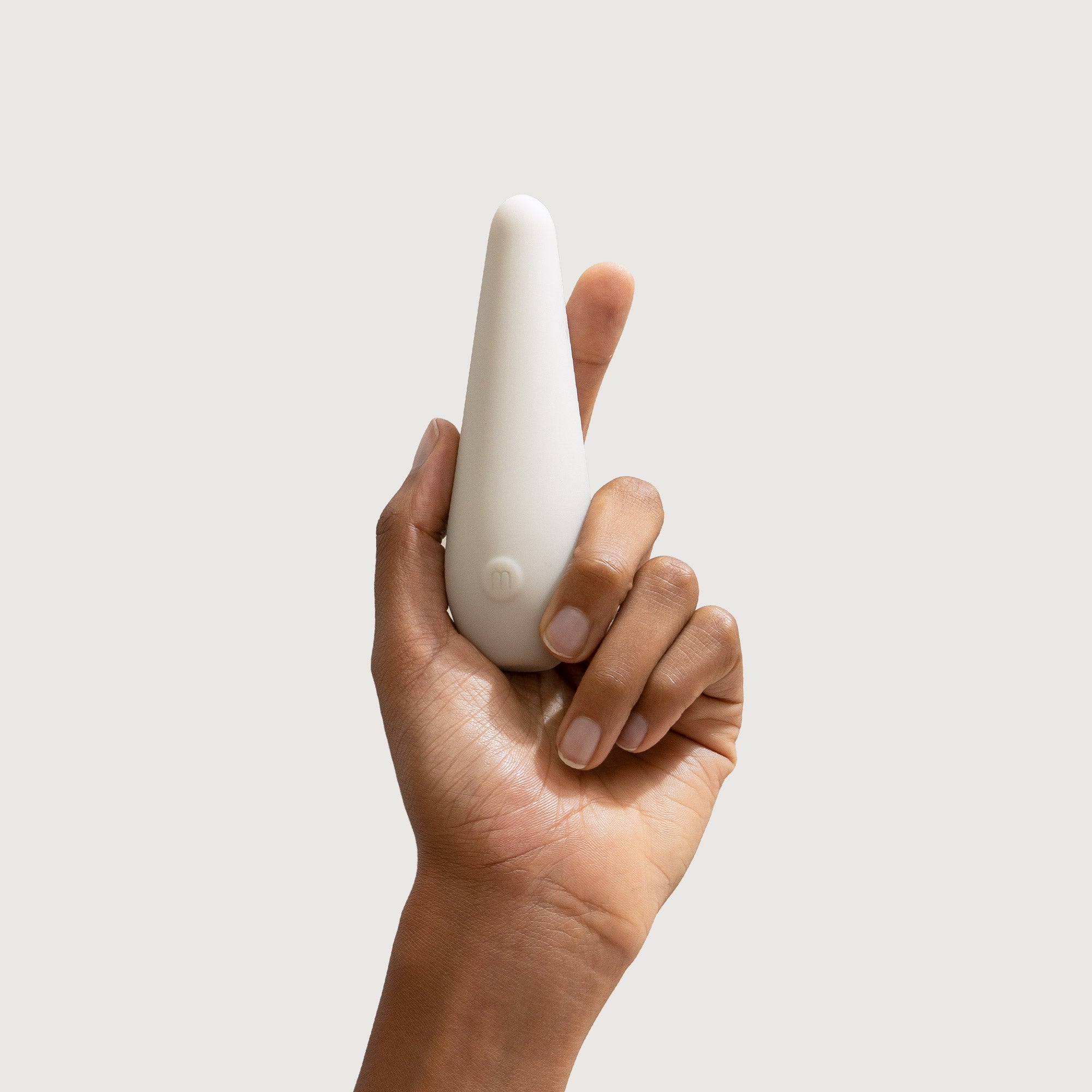
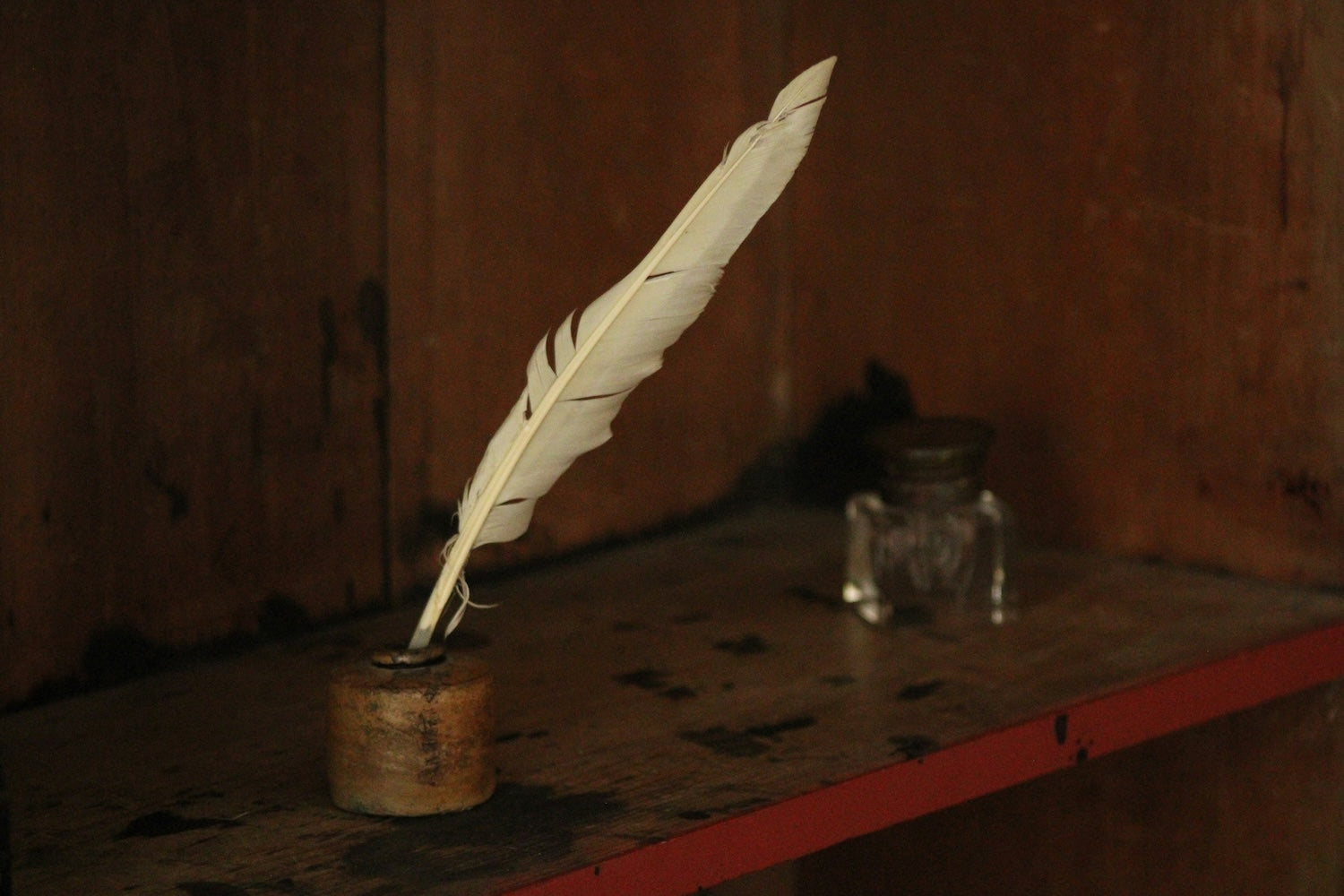
Long before Instagram, people were finding creative ways to make themselves look very, very desirable.
The thirst trap may seem like a distinctly modern invention. There are mirrors, bedroom lighting, strategically placed towels and the eternal question of whether a shirtless photo is too obvious or exactly obvious enough. But the impulse is much older: show someone a version of yourself that makes them want to look again.
Before the front-facing camera, there were love letters, miniature portraits, pin-ups and photographs. They just required considerably more effort.
first came the love letter.
A love letter wasn't a thirst trap in the literal sense, but it could create the same delicious feeling of wanting someone who wasn't there. You could choose your words, describe what you missed, hint at what you couldn't say aloud and give someone something to reread when you were gone.
Some famous lovers took the form very seriously. Napoleon Bonaparte wrote intensely romantic letters to Joséphine while away on military campaigns, repeatedly telling her how much he missed her and asking for letters in return. Their marriage was complicated, but Napoleon clearly understood the value of staying on someone's mind.
then came the portrait.
For those who could afford one, a painted portrait offered another way to send yourself into someone's absence.
Miniature portraits became especially popular in Europe from the 16th century onward, often small enough to keep in a locket or carry discreetly. Like a carefully chosen profile photo, they weren't necessarily meant to show exactly what someone looked like. They showed how they wanted to be seen.
Then photography made the whole thing considerably easier.
enter the pin-up.
By the early 20th century, photographs had become part of courtship, correspondence and fantasy. Then came the pin-up: carefully posed images of attractive men and women designed to be looked at, saved and displayed.
The images were often suggestive without being explicit, relying on pose, expression and a little imagination. They were made to get someone looking and keep them looking, which is essentially the job description of a thirst trap.
same game, better camera.
The modern thirst trap just removed most of the obstacles. Instead of commissioning a painter or waiting for a photograph to be developed, you can take 40 pictures in five minutes and send the best one before leaving the bathroom.
The technology is different, but the strategy is familiar. Whether it's a love letter, a portrait, a pin-up or a strategically angled selfie, the goal is to put yourself in someone's mind when you're not in the room.
The original thirst traps just had better stationery.