the eroticism of interior design through the years.
Desire has always had a floor plan.
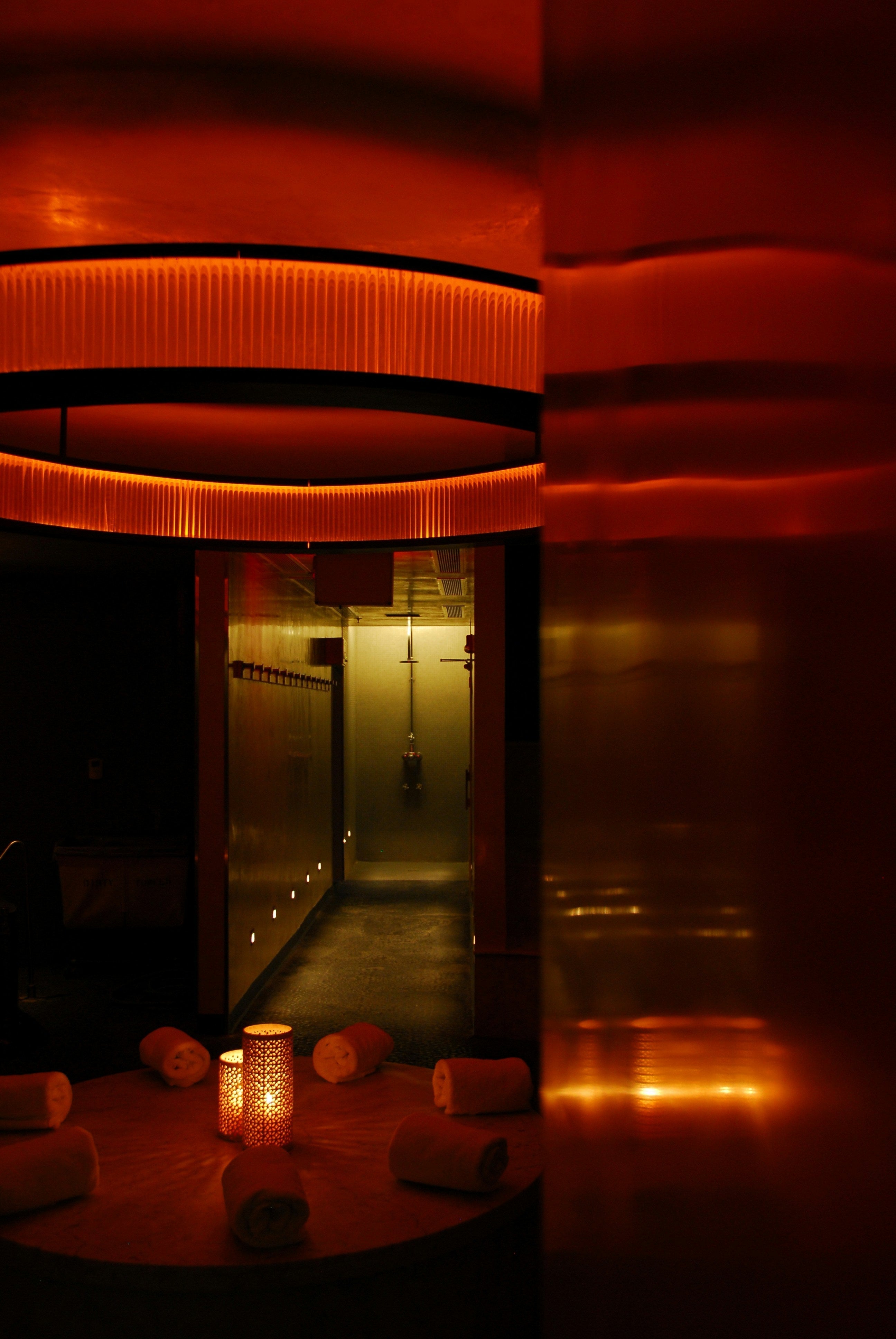
Interior design has always been about more than where the sofa goes. Every era has had its own idea of what makes a space feel sensual. Sometimes it was velvet drapes and candlelight. Sometimes it was a sunken conversation pit. These days, it's sculptural furniture, warm lighting, and objects that feel as good as they look.
The spaces we create don't just reflect how we live. They shape how we flirt, touch, rest, and connect. Long before "setting the mood" became a cliché, designers were already doing exactly that.
before the bedroom was private.
Privacy, as we know it, is relatively new. For centuries, families often shared sleeping quarters, and wealthy visitors might even be welcomed into a bedchamber as part of daily social life. The bedroom wasn't necessarily the sanctuary it is today.
That began to change in the 18th and 19th centuries, when homes evolved to separate public and private spaces. The bedroom became less of a communal room and more of a retreat. It wasn't just a place to sleep. It became a place to read, dress, dream, and eventually, cultivate intimacy.
The bed transformed from a practical necessity into the emotional centerpiece of the home.
victorian maximalism was surprisingly seductive.
The Victorians had a reputation for modesty, but their interiors told another story.
Heavy velvet curtains. Layered textiles. Tufted upholstery. Wallpaper covering every wall. Rooms were filled with texture, softness, and rich colors that encouraged lingering. The appeal wasn't only visual, it was tactile.
Before electric lighting, candlelight bounced off deep reds, polished woods, and luxurious fabrics, creating rooms that felt warm, flattering, and almost theatrical. Sensuality wasn't always explicit. Sometimes it was simply woven into the room itself.
the seventies made sex part of the floor plan.
No decade embraced erotic interiors quite like the 1970s.
This was the era of conversation pits, circular beds, shag carpeting, smoked glass, mirrored walls, chrome, and low-slung furniture that invited people to recline rather than sit upright.
Open floor plans became increasingly popular, while homes embraced earth tones, curved forms, and softer silhouettes. Design wasn't just about entertaining guests. It was about creating spaces where people gathered, lounged, and lingered.
The conversation pit, first popularized in the 1950s and immortalized in the '70s, became an icon of effortless intimacy. Everyone sat at the same level. There was no head of the table. The architecture itself encouraged conversation.
Even Hugh Hefner's famous rotating circular bed became a symbol of the era's fascination with turning sexuality into a design statement. Subtle? Not exactly. Influential? Absolutely.
less performance, more comfort.
Minimalism dominated the late twentieth century, but today's interiors suggest a different priority.
We're seeing the return of curved furniture, walnut wood, boucle, ambient lighting, linen bedding, and objects designed to be touched rather than admired from across the room.
Pinterest reported searches for "moody living room" increased by more than 50% in recent years, while searches for warm minimalism and cozy interiors continue to climb. Homeowners aren't simply decorating. They're looking for spaces that feel emotionally restorative.
Maybe that's because Americans spend about 90% of their time indoors, according to the Environmental Protection Agency. If home has become the center of work, rest, and relationships, it makes sense that comfort has become the new luxury.
intimacy deserves good design.
For decades, intimate products were expected to disappear into a nightstand drawer.
Now, many are designed with the same attention given to a lamp, a ceramic vase, or a beautifully bound coffee table book. They belong to a broader shift in interior design that celebrates objects for both their function and their form. Perhaps that's the real evolution of erotic design.
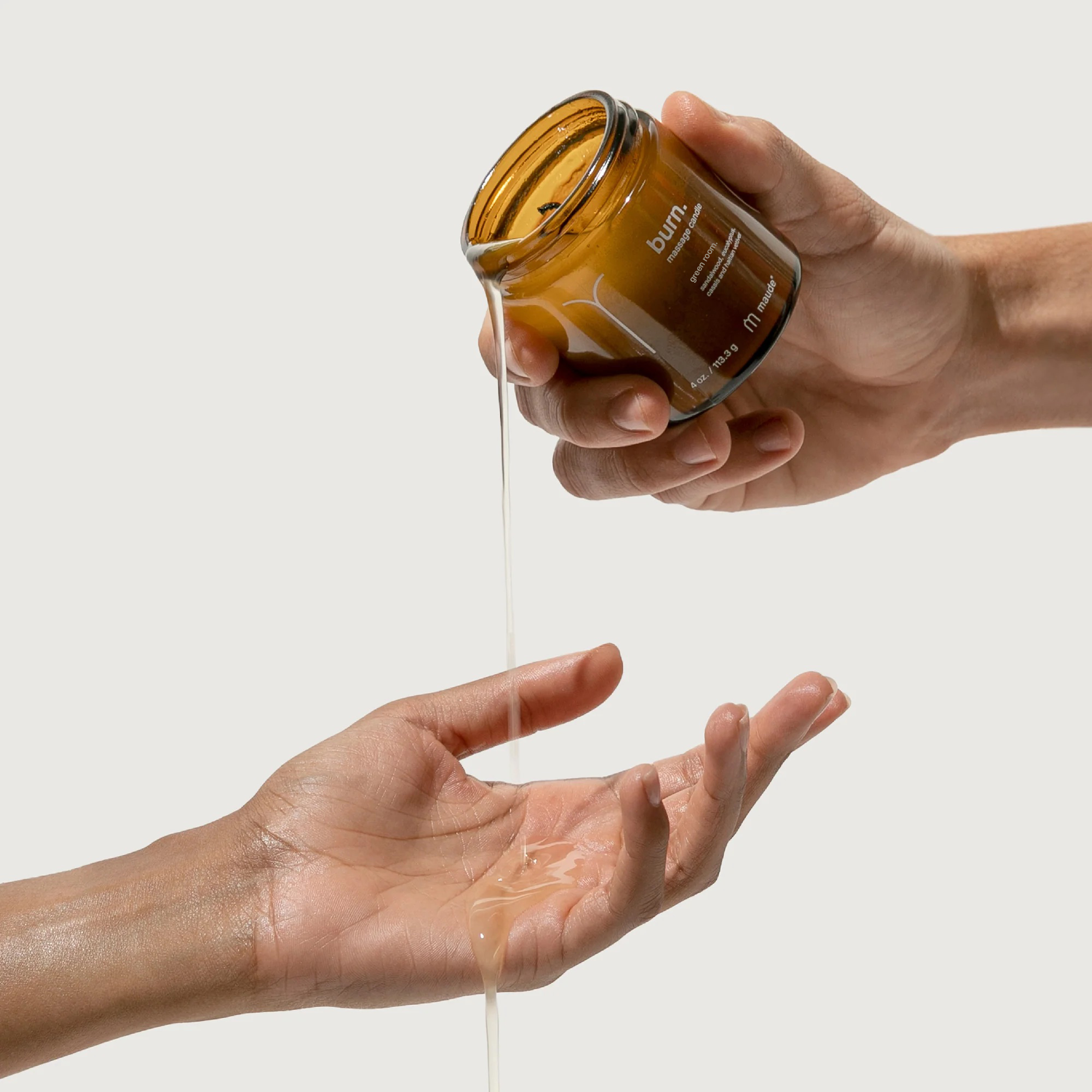
It's less about mirrored ceilings and leopard print, and more about creating spaces that make connection feel natural. A well-made bed. Soft lighting. A favorite chair. A massage candle on the nightstand. Objects that invite touch rather than hide from it.
Because the sexiest room isn't necessarily the most provocative. It's the one that makes you want to stay awhile.