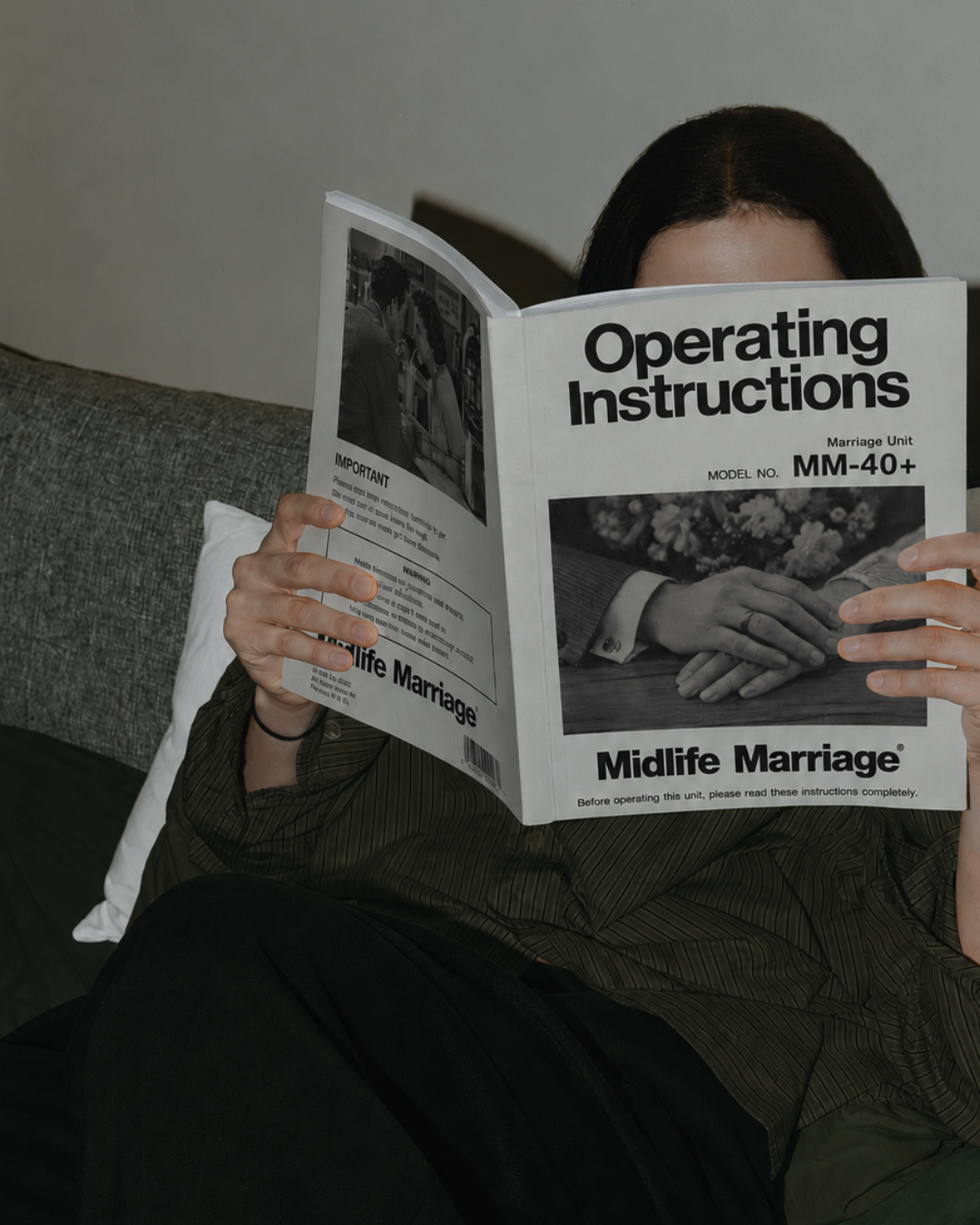
The Class We Never Got.


At 36, the changes started quietly. At first, I didn’t even know what I was looking at. My sleep became lighter. My skin felt drier and more reactive. My energy shifted in ways I couldn’t quite explain. My emotions would catch me off guard. And intimacy changed too.
One of the things no one really tells you at this phase of life is everything is connected. Hormones don’t just affect one part of you. They can touch your sleep, your stress, your mood, your confidence, your physical comfort, and the way you feel in your own body. And, of course, all of that can affect how close or connected you feel to someone else.
Intimacy starts to mean something broader. It’s not just about spontaneity, or sex, or what things used to look like. It’s about feeling rested. Safe. Supported. Comfortable. Present. It’s about being able to recognize yourself in your own body again.
For so many women, midlife can bring up complicated feelings around aging and desirability. We’ve been told, in so many ways, that youth is the standard - for beauty, for vitality, for confidence. But that leaves very little room for the truth of what women actually experience as our bodies change.
And the truth is much more layered than we’re often allowed to say.
Bodies evolve. Needs shift. The old rules don’t always apply. And yes, there can be discomfort in that. There can be grief, frustration, confusion, even shame. But there can also be clarity and growth.
Many women begin paying attention to their bodies in a way they never had before. They start noticing patterns. What gives them energy. What depletes them. What makes them feel connected, confident, sensual, or grounded. Intimacy can become less about one narrow definition and more about closeness, touch, comfort, desire, self-awareness, and feeling at home in yourself.
These are the conversations that have been missing for far too long. We’ve talked more openly about fertility, pregnancy, and aging, but the emotional and physical realities of perimenopause and menopause have often been pushed to the side, whispered about, or treated as purely medical. So many women have been left to figure it out alone - through friends, late-night searches, and private conversations they were never sure they were allowed to have.
Thankfully, that silence is starting to crack open.
More women are talking honestly about the things that once felt difficult to say out loud: changes in desire, vaginal dryness, broken sleep, mood swings, discomfort, or simply realizing that your body now needs a different kind of care. And we’re beginning to approach those conversations not with shame, but with honesty, humor, practicality, and a bit more compassion.
I ask in my book: “What if the point of menopause is to break up with your former self?”
It’s time to start getting to know the new you.
Because this stage of life is not about becoming less vibrant, less desirable, or less connected to yourself.
If anything, it can be an invitation to understand yourself more deeply. To understand what your body needs. To ask for support. To let go of old expectations. To redefine confidence on your own terms.
Not an ending. An evolution - into a different kind of confidence, connection, and vitality.
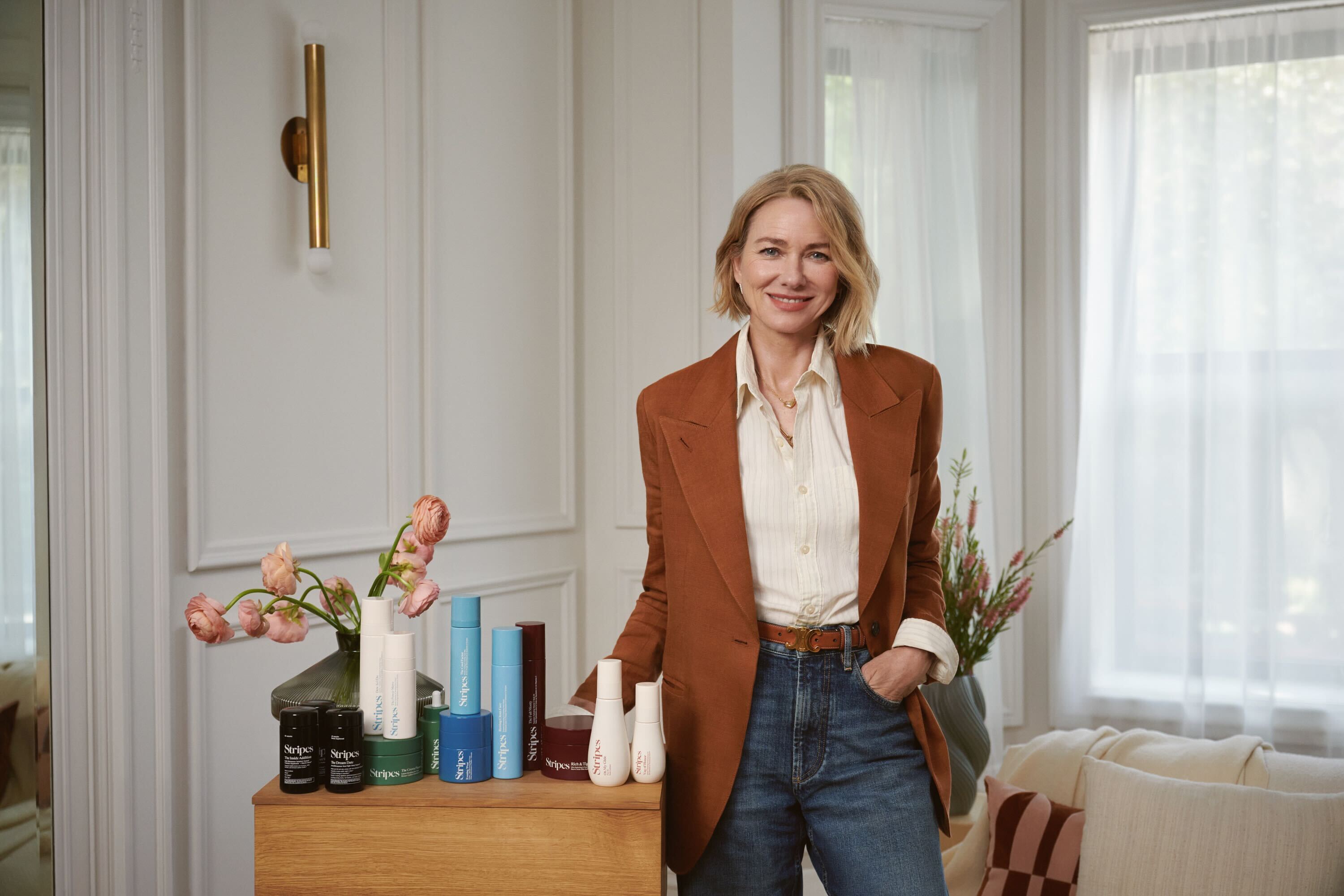
Naomi Watts is the Founder & Chief Creative Officer of Stripes Beauty and Guest Editor of The Maudern for Sex Ed For All Month.