in the best light.

For most of history, interior light was not designed for mood or intimacy.
Fireplaces, candles, oil lamps, gas fixtures, and early electric bulbs all followed the same logic. They extended the day and made the home more functional. Light helped people cook, read, work, and move around after sunset. It was useful. It was necessary. It was not trying to set the mood.
When Thomas Edison’s incandescent bulbs entered homes in the late 19th century, they solved a very practical problem. They replaced gas and candlelight with something cleaner, safer, and easier to control. Nobody was thinking about mood lighting yet. They were just excited to have a reliable way to see what they were doing. For a long time, that was enough.
Rooms were arranged around wherever the light happened to come from. Areas closest to the flame or fixture got the most attention, while corners were left to disappear. Even bedrooms were practical spaces. Light helped people get ready for bed, read a book, or find something they had misplaced. It was not there to make the room feel romantic.
When lighting became part of the room.
Electricity changed everything, but it also created a new challenge. A room could finally be fully illuminated, but that did not always mean it felt better.
Overhead fixtures made homes brighter and more convenient, but they could also flatten a space. When every corner is lit the same way, there is less contrast and fewer places for the eye to settle. A bedroom illuminated like an office might be practical, but it was not exactly inviting.
Lamps offered another approach. Fabric shades softened harsh bulbs. Frosted glass blurred edges. Smaller pools of light created warmth and separation, giving different parts of a room their own atmosphere.
The internet’s ongoing war against the “big light” is really a modern version of this same instinct. The ceiling fixture has always been useful, but it has rarely been the light people choose when they want a room to feel comfortable. It is the light you turn on when you are looking for your keys, cleaning the room, or wondering why the space suddenly feels a little off.
The rise of mood lighting.
By the 1970s, lighting had become part of the personality of a room. Interiors grew warmer and more relaxed, and the overhead fixture started losing its place as the default source of light, especially in bedrooms and living spaces.
Table lamps took over. Amber bulbs made rooms feel warmer. Dimmers gave people control over something they previously had very little say in: how bright a room should be at any given moment.
Then came the decorative lighting of the era. Lava lamps, glowing glass fixtures, sculptural lamps. These objects were not exactly solving a practical problem. Nobody bought a lava lamp because they needed better lighting for paperwork.
They were there because a room could feel different. Lighting became part of the experience, not just the infrastructure.
Why softer light feels different.
There is a reason restaurants, hotels, and bedrooms rarely rely on harsh overhead lighting. Soft light changes how we experience a space.
It reduces contrast. It softens faces. It lets some details stand out while allowing others to fade into the background. Nothing is hidden, but everything feels less exposed.\
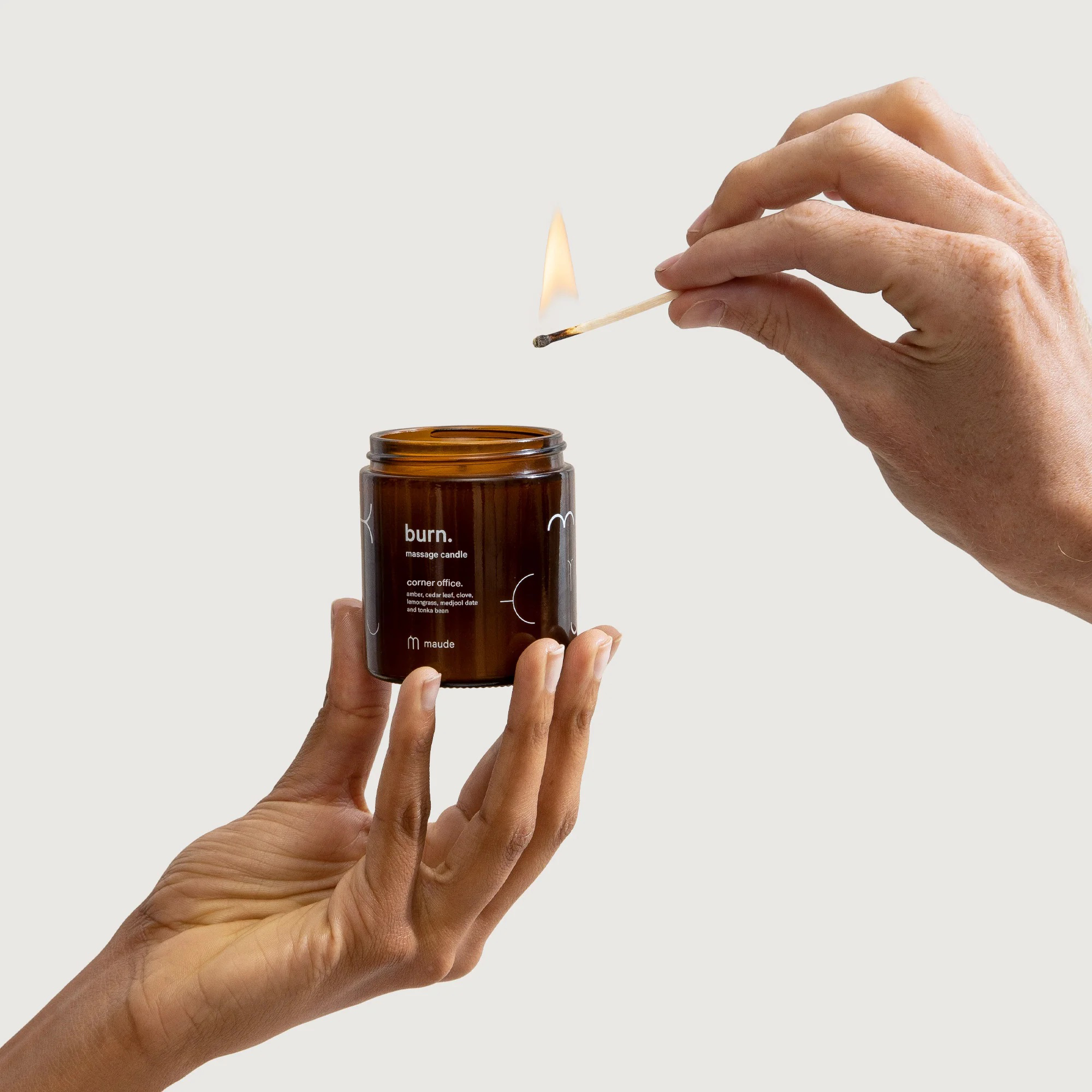
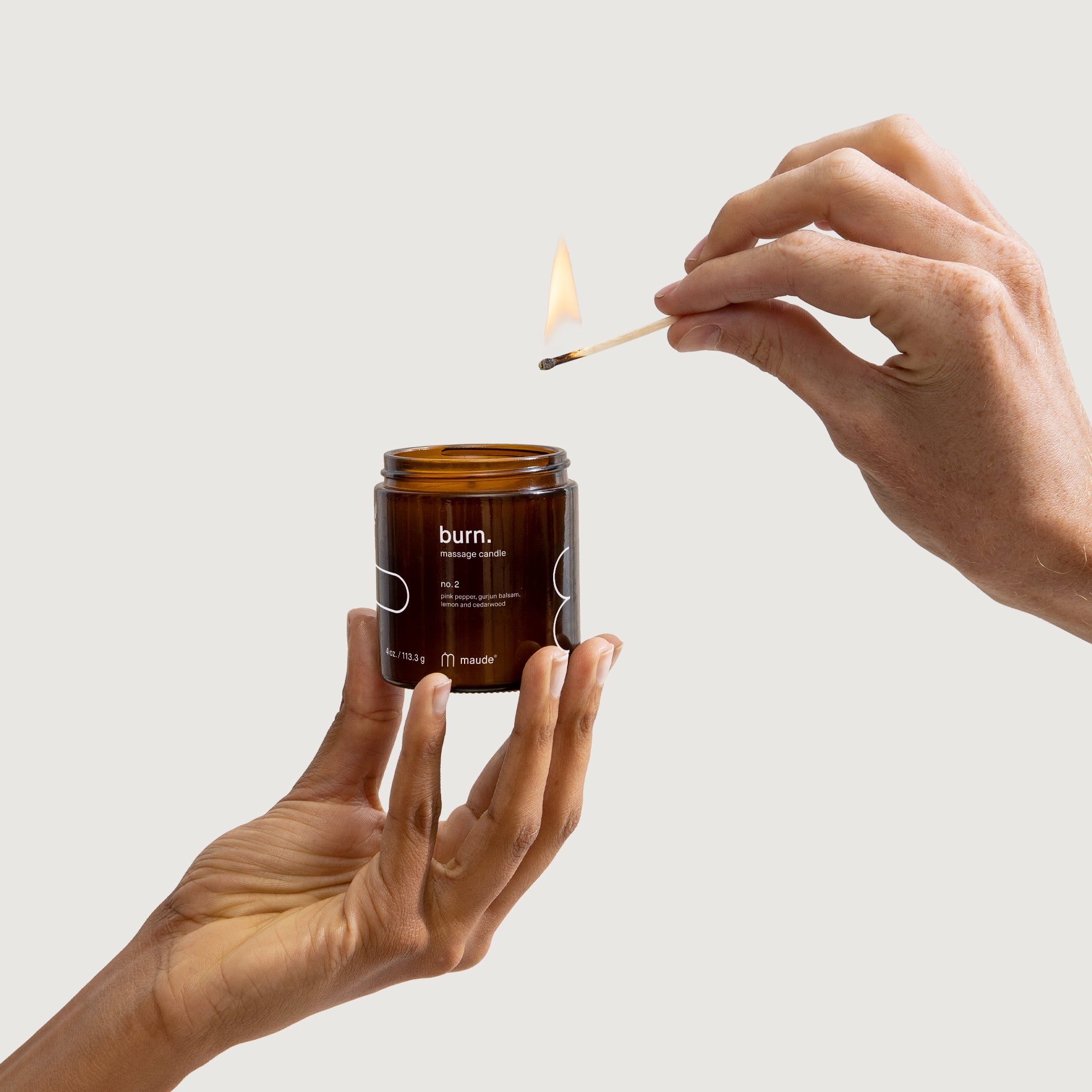
This is why candles have stuck around even after we stopped needing them. Their job is no longer to light a room. A candle on a dinner table, beside a bathtub, or on a nightstand changes the feeling of the space before anything else does.
Today, we design the mood.
Modern lighting gives us more control than ever. Smart bulbs can adjust brightness, warmth, and color instantly, allowing a bedroom or living space to shift from functional to relaxed with a tap. But the instinct behind it has not changed much.
We still lower the lights when we want a room to feel different. We still avoid harsh overhead lighting when we want a space to feel more personal. After centuries of changing technology, the basic idea remains familiar.
From candlelight to smart bulbs, lighting has always been about more than visibility. It helps mark transitions, create atmosphere, and signal that a room has shifted from a place we simply occupy into one we actually experience.