A Brief History of Lingerie
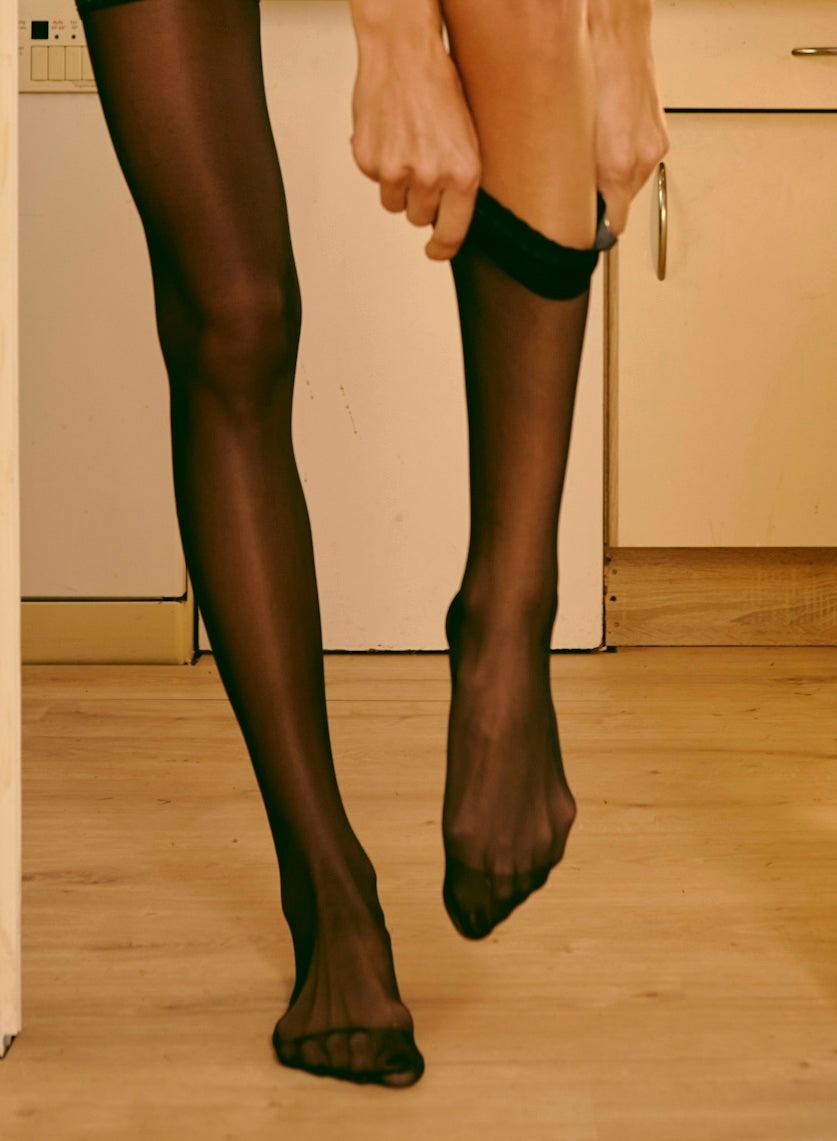
From corsets to Calvin Klein.
In the realm of sartorial expression, lingerie can feel a bit oxymoronic. For one, it’s typically designed to live under your clothes…which feels contradictory to the whole project of fashion (fashions without exhibitionism?!). Moreover, in practice, we often put it on expressly to…take off. Sure, we take off many garments throughout the day, but the only outfit we wear specifically to take off? Lingerie.
That said, undergarments haven’t always been a free-spirited alcove of the sartorial world. When we think back to our earliest “intimates,” they often come in the form of stiff, waist-shaping corsets (torture devices, if you will). So, how did we go from strapping ourselves into cloth prisons to delighting in the breeze that comes along with a good ‘ole pair of crotchless panties? Here’s a brief look at the history of lingerie.
The 1700s & 1800s: Corsets
For much of the 18th century, the classic corset reigned supreme. The earliest version, often referred to as a “stay,” was crafted with whalebone — which meant breathing was simply out of the question. While these garments streamlined the waist, they were hardly sexy, more closely resembling armor than the corsets of today.
By the 1800s, corsets had become marginally sexier. In addition to a generally skimpier silhouette, they were designed to straighten the back and lift the breasts, often crafted in luxury, ornate fabrics.
The 1910s: Drawers & Nightgowns
“Drawers” may sound like a joke, but these early bottom garments were central to lingerie in the early 20th century. Before drawers — which were close-crotched — women often wore open-crotched panties, reserved only for men. Drawers were among the first bottom garments designed to be seen.
Around the same time, bridal nightgowns emerged. Sheer, stunning, draping silhouettes showcased (while masking) the female form, combining delicacy with allure.
The 1920s: Slips
The introduction of slips in the 1920s marked a move toward sexual liberation. Flapper fashion favored a more boyish figure, allowing women to forgo restrictive corsets in favor of far more comfortable silhouettes. Slips became both functional and subtly sensual, reflecting changing ideas about femininity and freedom of movement.
The 1950s: Pin-ups & La Perla
The 1950s brought pin-up advertisements: suggestive models in beautifully rendered undergarments meant to be seen. These ads appealed to men and women alike, celebrating lingerie openly for the first time.
1954 also marked the arrival of La Perla, a luxury lingerie brand known for blending sophistication with sensuality. Treating undergarments like jewelry, La Perla added a new level of elegance to the lingerie market.
The 1970s: Victoria’s Secret
In 1977, Victoria’s Secret arrived as a more affordable, accessible lingerie option. Founder Roy Raymond wanted to simplify the lingerie shopping experience, offering pieces that were neither dowdy nor reserved solely for special occasions like a wedding night. It was the “people’s lingerie,” making beautiful intimates attainable for everyday wear.
The 1980s: Brights & Boas
The 1980s brought maximalism to the lingerie department: bright colors, bold textiles, and plenty of feathers. Fashion and lingerie alike embraced exuberance and self-expression.
The 1990s: Underwear, But Make It Fashion
By the 1990s, lingerie-for-show had been normalized. Madonna’s iconic Jean-Paul Gaultier conical top and slip dresses on runways revealed undergarments as intentional fashion statements, with models like Kate Moss showcasing sheer, layered looks.
The decade also popularized the Wonderbra, one of the first widely recognized push-up bras, emphasizing lift and shape. Victoria’s Secret crowned its first class of “Angels,” solidifying editorial and runway influence.
At the same time, Calvin Klein’s minimalist lingerie campaigns — with clean lines and iconic branding — helped define the era, blending everyday wearability with subtle sex appeal and further shaping how lingerie could be both fashion and statement.
The 2000s: G-Strings, Baby
It’s not that thongs didn’t exist before the early aughts, but rather, this was the first time the ‘old G-string was made decidedly glamorous. Which is to say, along with the emergence of low-rise jeans, you were certainly seeing a hell of a lot of above-the-hip, whale-tail thong action.
The 2010s: Bodycon
Welcome to Kardashian territory! By the time Kim K. had risen to prominence, her signature shapewear-esque garments had followed suit. Synched waists with skin-tight, revealing dresses were simply the look—whether or not your donned other garments on top.
2020-Present: Sporty Sets
In recent years, lingerie has embraced a more comfortable, versatile approach. Sporty matching sets — like the iconic minimalist bralettes and briefs seen from brands such as Calvin Klein — combine soft fabrics, clean lines, and subtle sex appeal, making them wearable, flattering, and effortlessly stylish.
This era of intimates emphasizes comfort, confidence, and everyday wear, while also reflecting modern consumer values, including inclusive sizing, sustainable fabrics, and gender-neutral designs.
From bralettes to seamless bottoms, lingerie today offers freedom of movement without sacrificing style, proving that intimate apparel can be practical, flattering, and alluring all at once.