why are we having less sex?

Why, when we’re living in a time where sex is discussed more openly than ever, are we having less sex?
Research shows that people are having less sex than previous generations. A study published in Archives of Sexual Behavior found that U.S. adults were having sex fewer times per year in the 2010s than they were in the late 1990s, with declines seen across many age groups. More recently, younger generations have been at the center of the conversation: Gen Z is often considered one of the most sexually open generations, yet studies show they are also reporting some of the lowest rates of sexual activity.
One analysis of General Social Survey data found that the percentage of adults having sex weekly declined from 55% in 1990 to 37% in 2024. Among younger adults, the shift has been even more pronounced, with many reporting fewer sexual partners, longer periods of being single, and less interest in casual sex than previous generations at the same age.
So what’s the deal? Here’s why we’re having trouble.
we’re exhausted.
As technology advances, our worlds are moving faster and we’re busier in general. Between demanding jobs, financial stress, constant notifications, and the pressure to always be “on,” many people are running on empty. Add to that the fact that around one-third of adults aren’t getting enough sleep, and it’s easy to see why our sex lives are suffering.
we’re not communicating.
Many people don’t feel comfortable talking with their partner about sex—whether it’s initiating it, expressing their wants and needs, or simply admitting what they enjoy. And while sex is discussed more openly online, that doesn’t always translate into better conversations in real life. Without communication, intimacy can become something couples avoid rather than explore.
we’re getting married later.
It might be stating the obvious, but you’re more likely to have sex more frequently if you are living with a partner. But these days we’re getting married later in life, living alone longer, and taking more time before settling into long-term relationships. In 2024, the median age of first marriage reached historic highs in the U.S.—around 30 for men and 28 for women. For many people, fewer years spent partnered means fewer opportunities for sex.
And for a lot of people, casual sex simply isn’t appealing. Younger generations are increasingly prioritizing emotional connection, trust, and compatibility before becoming intimate.
we’ve found other ways to entertain ourselves.
Social media, streaming, gaming, and endless digital content have transformed how we spend our free time. We now have countless ways to get stimulation, connection, and entertainment without leaving the couch.
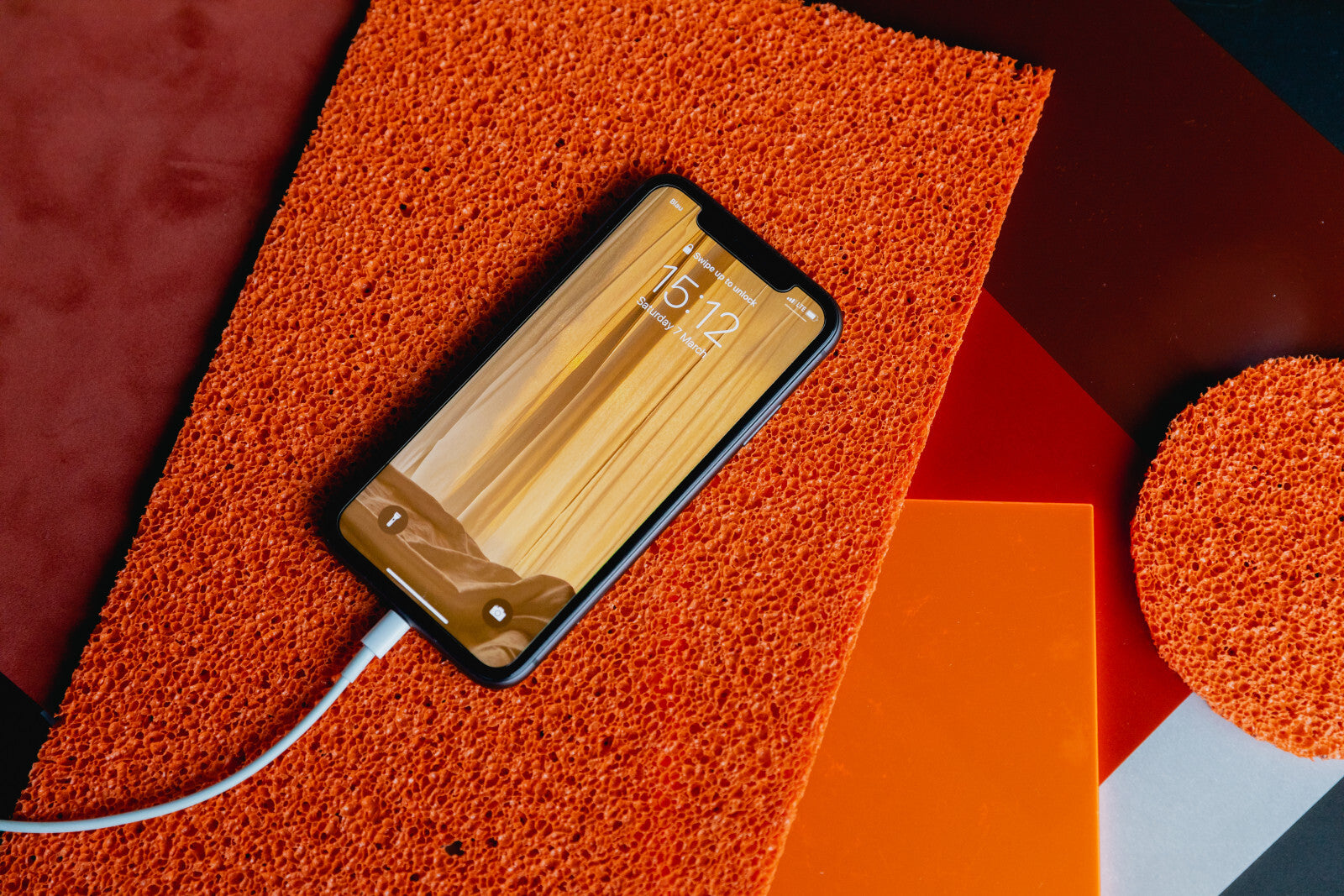
Our phones have also become constant companions, even in the bedroom. One study found that having a television in the bedroom was associated with lower sexual frequency, and today that distraction has evolved into something even more portable: the smartphone.
But less sex doesn’t necessarily mean less desire. For many people, the conversation is shifting from how often we have sex to how we create the conditions for intimacy in the first place.
Read more about we’re having less sex.